

2026-10-22
Modern vehicles in 2026 function as sophisticated mobile data centers. They rely on thousands of electronic signals to operate safely and efficiently. At the center of this network, automotive wiring connectors ensure seamless communication. These components link sensors, control units, and power sources across the entire chassis. A single failure in a connector can lead to significant vehicle downtime.
Reliability in modern automotive design is often defined by electrical stability. Engineers must account for extreme heat, moisture, and constant mechanical vibration. Automotive wiring connectors provide the necessary physical and electrical barrier against these threats. Without robust connection points, even the most advanced software cannot function correctly. This is why connector quality remains a top priority for manufacturers globally.
Vehicle longevity depends on the integrity of the hidden nervous system. This system includes everything from the battery cables to the sensor leads. High-performance automotive wiring connectors maintain steady voltage levels throughout the vehicle's life. They prevent the degradation of signals that manage critical safety features like braking. Choosing the right components is the first step toward a dependable vehicle.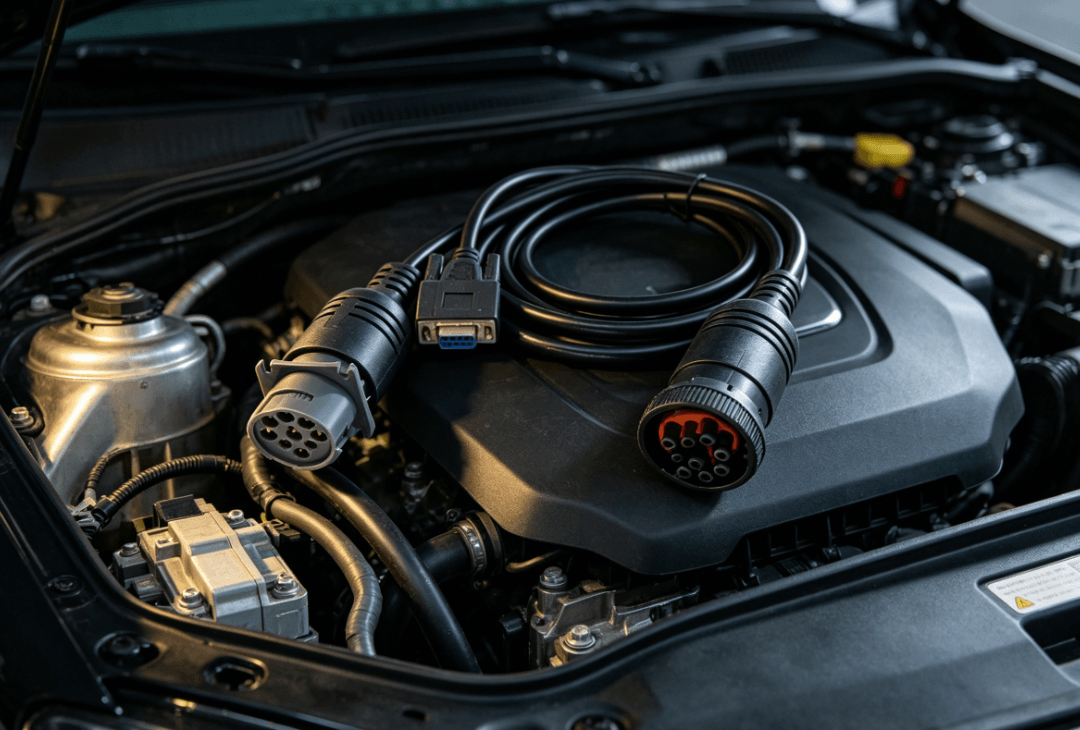
Electrical failures are often caused by environmental exposure or poor mechanical fit. In 2026, the average vehicle contains over 300 individual connectors. Automotive wiring connectors with advanced sealing prevent water and dust from entering the circuit. Moisture is the primary cause of terminal corrosion and short circuits. High-quality seals use specialized silicone to maintain flexibility in extreme temperatures.
Water ingress is the most common cause of electrical failure in cars. Connectors located near the wheels or engine are especially vulnerable to road spray. High-quality automotive wiring connectors utilize multiple layers of internal gaskets. These seals block water, salt, and cleaning chemicals from reaching the metal pins. Effective sealing can reduce the risk of terminal oxidation by over 80% during the vehicle's lifespan.
Vehicles experience constant movement that can loosen electrical joints over time. Superior automotive wiring connectors include secondary locking mechanisms to prevent accidental separation. These locks ensure that the metal terminals stay in perfect contact despite rough roads. Studies show that locking connectors reduce intermittent fault codes by nearly 30% in heavy-duty vehicles. Reliable mechanical retention is vital for maintaining a constant flow of electricity.
Engine bays reach temperatures exceeding 125°C during standard operation. Components must expand and contract without cracking or losing their grip. High-grade automotive wiring connectors are made from heat-stabilized materials like polybutylene terephthalate (PBT). These materials resist warping and maintain their structural shape over thousands of thermal cycles. Durability tests confirm that PBT-housed connectors last 50% longer in high-heat zones than standard plastics.
Fretting occurs when tiny vibrations cause pins to rub against each other. This motion wears away the protective plating on the connector terminals. Once the plating is gone, the underlying copper oxidizes rapidly. Advanced automotive wiring connectors use high-pressure spring contacts to minimize this relative movement. This design keeps the electrical resistance low and the signal path clear for years.
A whole car wire harness serves as the primary distribution network for power and data. It connects the engine, cabin, and safety systems into a single functional unit. Automotive wiring connectors act as the essential nodes that allow this network to be modular. This modularity is crucial for both efficient vehicle assembly and long-term maintenance. High-quality connectors ensure that each branch of the harness performs its specific duty.
Assembling a vehicle involves connecting hundreds of different electronic modules. Standardized automotive wiring connectors allow workers to join complex systems with a simple click. This reduces the risk of human error during the high-speed manufacturing process. Error-proofing features like "keying" prevent technicians from plugging the wrong cables into the wrong ports. This accuracy is fundamental to the reliability of a large electrical system.
Advanced Driver Assistance Systems (ADAS) require massive amounts of data in real-time. These systems rely on specialized automotive wiring connectors to maintain high-speed signal integrity. These connectors often feature electromagnetic shielding to prevent interference from other engine parts. Maintaining high signal-to-noise ratios is essential for the 2026 autonomous driving standards. A stable connection ensures the vehicle reacts to hazards in milliseconds.
Electric vehicles in 2026 generate significant electromagnetic noise from their motors. This noise can disrupt sensitive data sensors used for navigation and safety. Modern automotive wiring connectors include integrated metal shielding to block this interference. This ensures that the engine control unit receives clean data without distortion. Properly shielded connectors improve the accuracy of radar and lidar sensors by up to 25%.
Large wire harnesses generate heat when they carry high electrical currents. Connectors must be designed to dissipate this heat efficiently to avoid melting. A high-quality automotive wire harness uses connectors with high thermal conductivity. This design prevents localized "hot spots" that could damage surrounding insulation. Safe thermal management is a key factor in preventing vehicle fires and electrical shorts.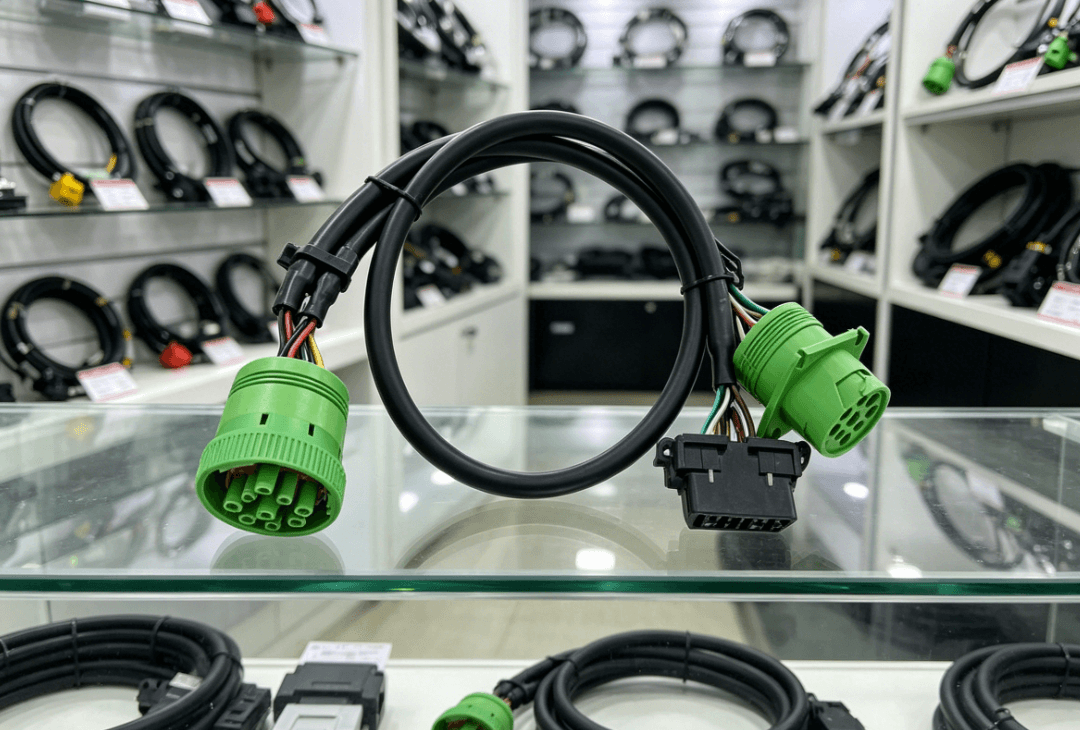
Reliability is not just about avoiding failure; it is about fast repairs. Every modern vehicle includes a dedicated interface for an automotive diagnostic cable. This connection point allows mechanics to read error codes and monitor system health. If the connector at this interface is low-quality, diagnostic data can become corrupted. Reliable diagnostic connectors allow for 99.9% accuracy in data retrieval during service intervals.
The diagnostic port must withstand thousands of plug-in cycles over a decade. Professional-grade automotive wiring connectors at this port are built for extreme mechanical durability. They use reinforced housings to prevent the pins from bending or pushing back into the dashboard. A reliable cable depends on these strong pins to establish a clear communication link. This ensures that the vehicle's computer can report issues before they become breakdowns.
Modern 2026 vehicles receive frequent software updates via wired or wireless connections. When updates are performed at a dealership, the physical connection must be stable. Any interruption during a software flash can permanently damage a vehicle's control unit. High-quality automotive wiring connectors ensure that the high-bandwidth data transfer remains uninterrupted. This stability is critical for updating safety protocols and engine tuning parameters.
Technicians rely on stable connections to perform complex recalibrations of safety sensors. A loose diagnostic connection can lead to incorrect data and failed calibrations. Durable automotive wiring connectors provide a tactile "click" to confirm a secure link. This feedback reduces the time spent troubleshooting the test equipment itself. Improving connection reliability can save automotive repair shops hours of diagnostic time per week.
Fleet operators in 2026 use constant data streaming to manage their vehicles. These systems require permanent diagnostic connections that can handle road vibrations. Robust automotive wiring connectors ensure these data paths remain open and secure at all times. They provide the gateway for predictive maintenance alerts that prevent roadside failures. Reliable data streaming helps fleet managers reduce emergency repair costs by approximately 15%.
Selecting the proper components requires an understanding of the vehicle’s operating environment. For most professional builds, choosing a complete automotive wire harness is the most efficient path. This ensures that all connectors and wires are pre-matched for their specific electrical loads. You must verify that the materials used meet the 2026 international safety standards. Reliability starts with the quality of the raw materials and the precision of the manufacturing.
When looking for the best components, check the Ingress Protection (IP) rating. For exterior or engine applications, an IP67 or IP69K rating is highly recommended. These ratings ensure the automotive wiring connectors can withstand high-pressure water jets and dust. A sealed connector is essential for any part of the vehicle exposed to the elements. Using the correct IP-rated parts can extend the life of an electrical system by five to ten years.
The internal terminals are the most critical part of any electrical connection. Gold plating is preferred for data circuits, while silver or tin is common for power lines. High-quality automotive wiring connectors provide high contact pressure to keep resistance low. This pressure ensures that the circuit remains closed even during intense vibration. Always ask for terminal specifications to ensure they match your voltage and current requirements.
Secondary locks, such as Terminal Position Assurance (TPA), are vital for safety-critical systems. These features ensure that the metal terminal is fully seated within the plastic housing. If the terminal is not correctly placed, the connector will not close properly. This visual and physical check prevents assembly errors that could lead to intermittent connections. TPA technology is standard in 2026 for all airbag and braking system connectors.
Vehicles are exposed to various harsh fluids like brake fluid, oil, and gasoline. Connectors must be made from polymers that do not degrade when touched by these chemicals. High-performance automotive wiring connectors are tested for long-term exposure to automotive fluids. This ensures the plastic housing does not become brittle or crack over time. Chemical-resistant housings are mandatory for connectors located in the undercarriage and engine bay.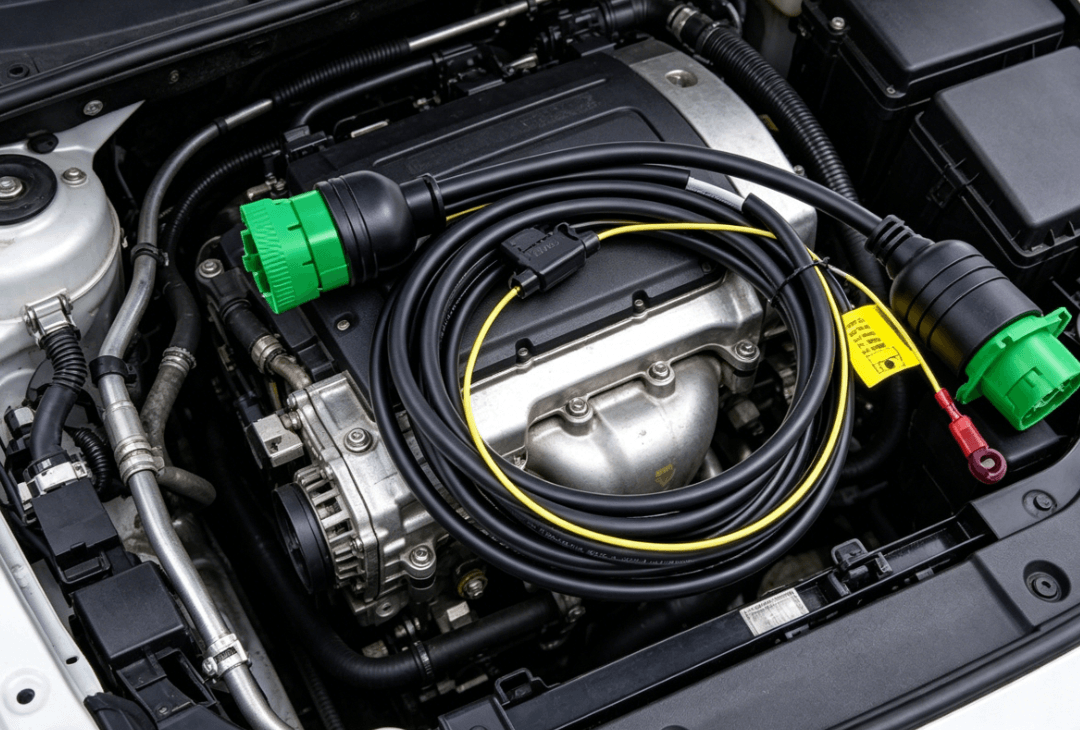
Automotive wiring connectors are the fundamental building blocks of modern vehicle reliability and electrical safety. By protecting against corrosion, vibration, and heat, they ensure that critical signals reach their destination without fail. Investing in high-quality wiring systems is essential for maintaining the performance and longevity of 2026 automotive technologies.
When inspecting electrical systems, always look for "terminal back-out" where a wire has slightly slipped out of its housing. This is a common sign of a failing lock in automotive wiring connectors and should be addressed immediately to prevent a complete circuit failure.
High-quality connectors prevent corrosion by using silicone seals and specialized terminal plating like gold or silver. These materials block moisture and salt from reaching the metal contact points. This ensures a clean electrical path and prevents the buildup of non-conductive oxidation.
No, you should never use unsealed automotive wiring connectors in the engine compartment. The engine bay is exposed to high humidity, road salt, and pressure washing. Unsealed connectors will corrode quickly in these conditions, leading to engine stalls or sensor failures.
The diagnostic cable acts as the bridge between the vehicle's computer and the technician's tools. It uses high-precision automotive wiring connectors to ensure that data transfer is accurate and fast. A reliable cable is necessary for correctly identifying faults and performing safe software updates.
The harness organizes and protects the entire electrical network of the vehicle. It uses specialized connectors to route power and signals to every component efficiently. A well-designed harness prevents wire rubbing and ensures that every connection is secure against road vibrations.
If a locking tab on automotive wiring connectors breaks, the connector should be replaced immediately. Without the lock, vibration will eventually cause the connection to loosen or separate. This leads to intermittent electrical issues that are very difficult and expensive to diagnose.
SAE International - Performance Standard for Automotive Electrical Connector Systems
TE Connectivity - Automotive Solutions for High-Reliability Connectivity
Molex - Innovative Connector Systems for Modern Vehicle Architectures


