

2026-10-22
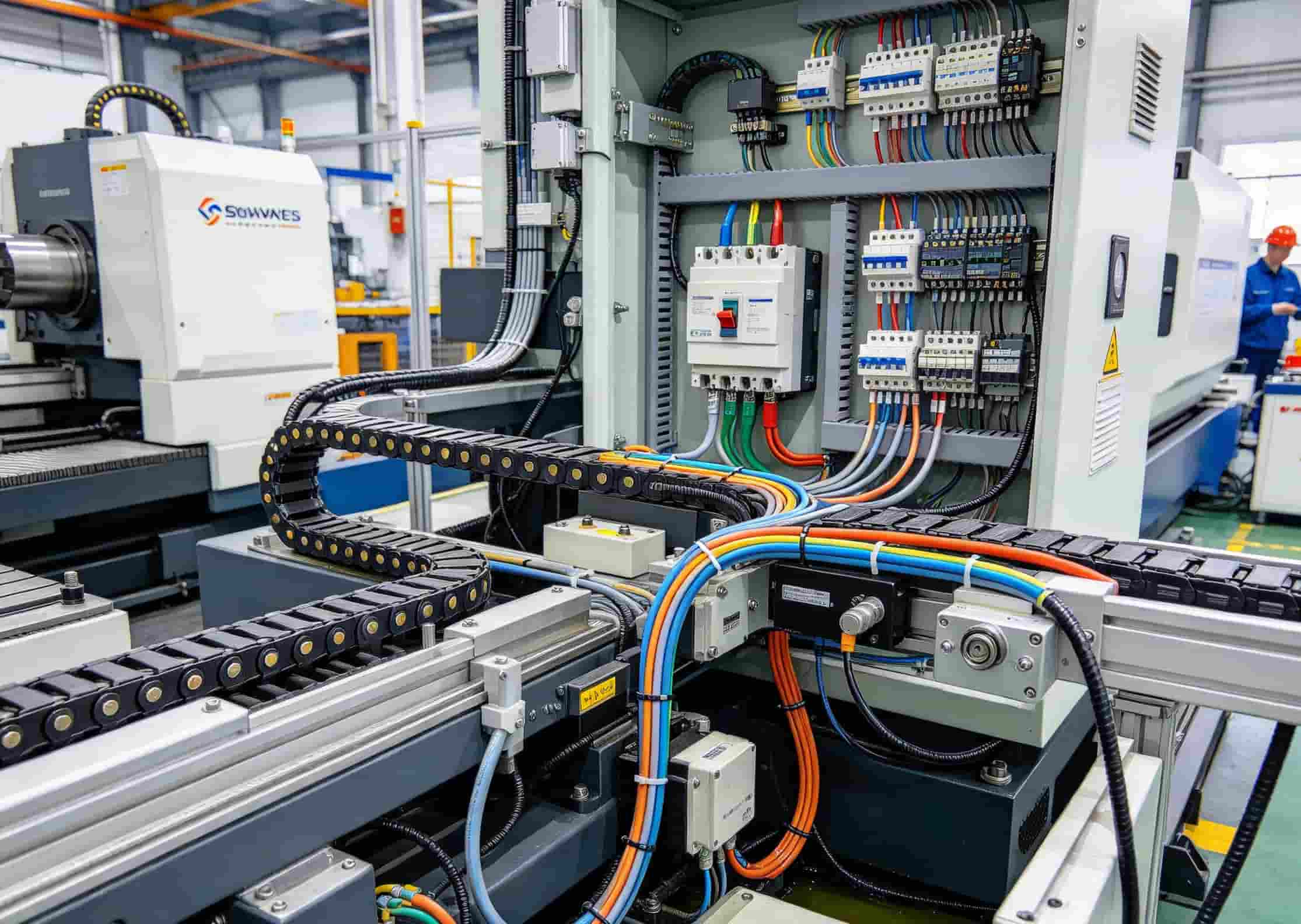
Start with the actual route through the machine. Record exposure to oil, coolant, cleaning agents, heat, vibration and abrasion, together with space for connectors and strain relief.
| Installation | What to specify | What to verify |
|---|---|---|
| Fixed control cabinet | Route length, conductor size, terminal layout and labels | Fit, connection access and identification |
| Hinged panel or service door | Movement range, service loop and strain relief | No tension, pinching or sharp bending during movement |
| Drag chain or moving axis | Travel, speed, acceleration, bend radius and target cycles | Cable suitability for the stated dynamic conditions |
| Exposed machine connection | Fluids, temperature range, sealing and mechanical protection | Material compatibility and installed connection protection |
Do not treat “flexible” as proof of continuous-motion suitability. The igus guide to cable bend radius distinguishes fixed, occasional-flex and continuous-motion conditions. Use the selected cable's application-specific data rather than a universal bend-radius rule.
Provide approved connector part numbers, mating references, gender, coding, locking method and cable-exit direction. For a right-angle connector, include its orientation on the drawing: a connector can mate correctly yet obstruct the intended cable route.
Then supply a pin-to-pin table covering power, signal, ground and shield connections. A matching connector shell does not establish the wiring arrangement or communication protocol.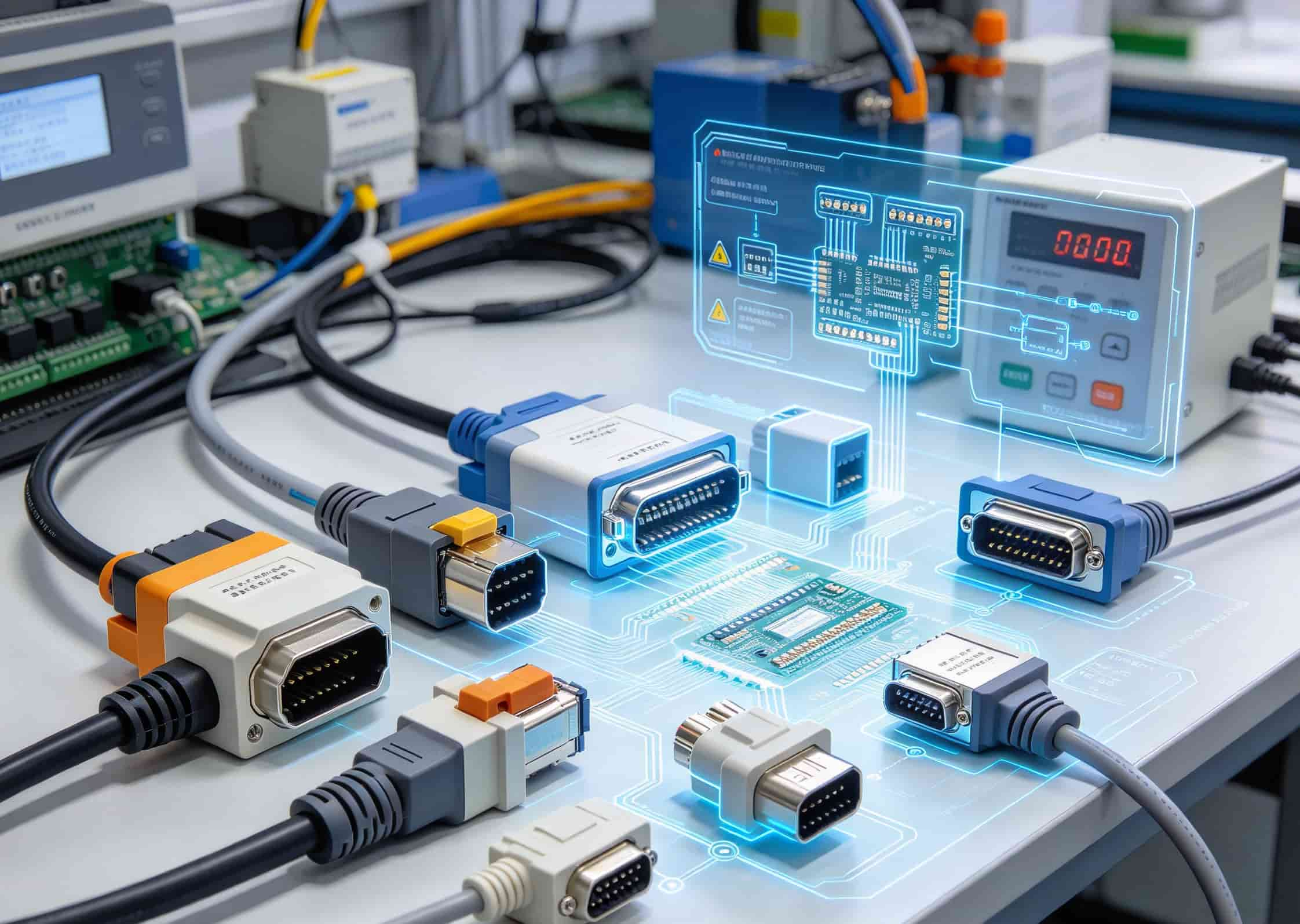
For example, SOAR lists an HDB15-to-DB9 encoder cable assembly. This offers a connector-layout reference, but an encoder or controller match still requires confirmation of the pinout, electrical interface and installation dimensions.
For shielded circuits, document shield termination and grounding according to the equipment manufacturer's instructions. Identify twisted pairs and any impedance requirements for communication or feedback lines. Avoid leaving these choices to a generic “shielded cable” description.
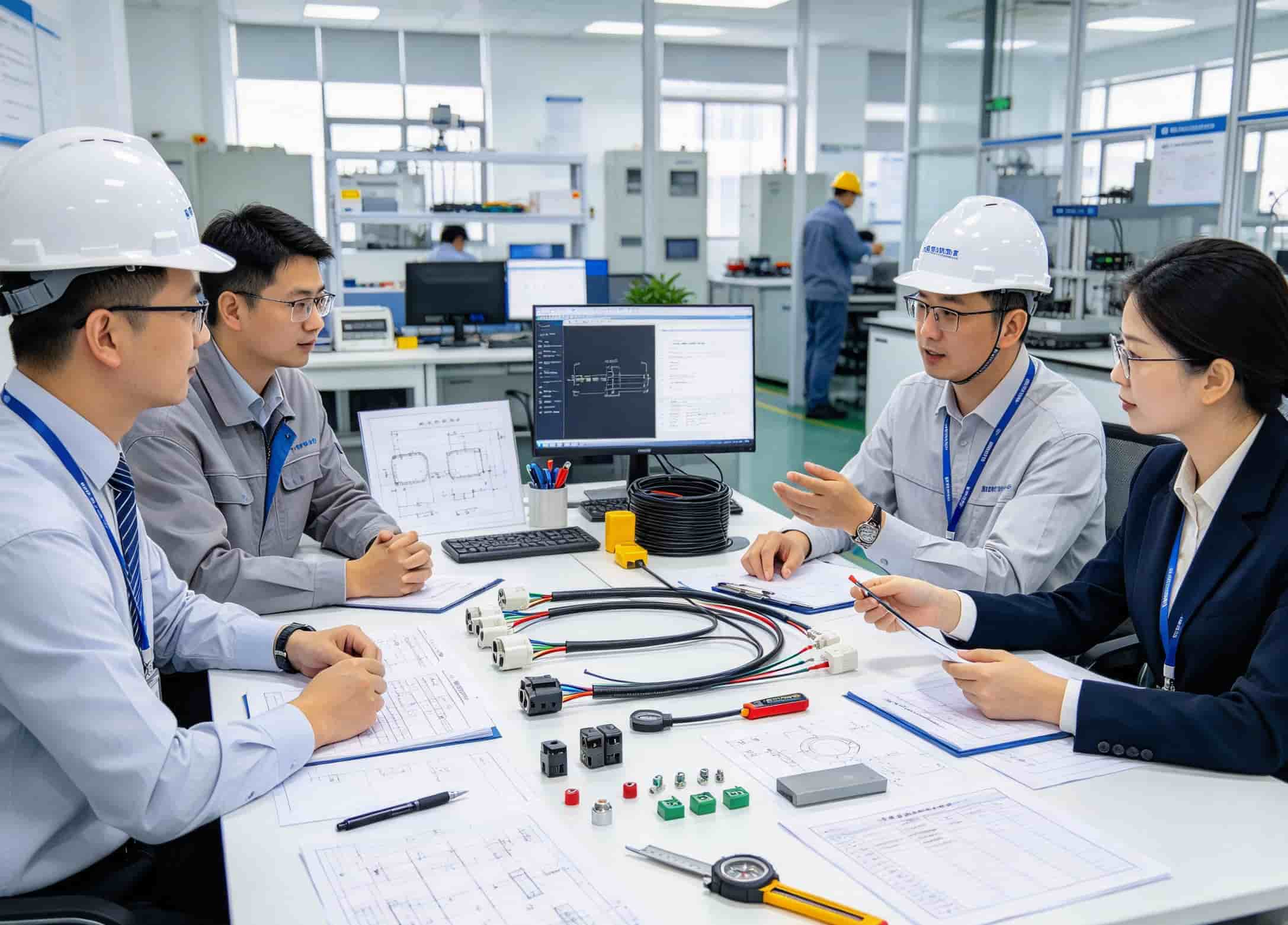
A useful RFQ lets suppliers quote the same build. Attach the latest drawing, BOM and wiring table, with unresolved items clearly marked for review.
Check the prototype on the actual machine or a representative fixture. Confirm connector access, cable routing, label visibility and clearance throughout the intended movement.
Continuity and pinout checks establish the intended electrical paths, but do not by themselves demonstrate communication performance, motion life or environmental suitability. Agree on additional insulation, functional, flex or environmental tests where the design requires them. Define test conditions and acceptance limits before release.
NASA-STD-8739.4 provides workmanship background for critical cable and harness work. It is not automatically a requirement for ordinary industrial machinery; specify the workmanship standard and revision applicable to your project.
For material traceability, the UL Solutions Wiring Harness Traceability Program explains tracking through cable manufacture, harness processing and final assembly. Referencing the program does not establish a supplier's participation or approval.
Custom industrial cable assembly pricing depends on connector availability, cable construction, termination, branch layout, tooling, testing and order quantity. Ask suppliers to separate one-time engineering or tooling charges from recurring unit prices.
Check whether each quotation includes the same components, labels, test records and drawing revision. Confirm material substitutions before approval, and distinguish component procurement time from assembly time. MOQ and delivery commitments should be confirmed for the quoted configuration.
Yes, as a starting reference. Confirm hidden wiring, materials, dimensions and performance requirements in an approved drawing before production.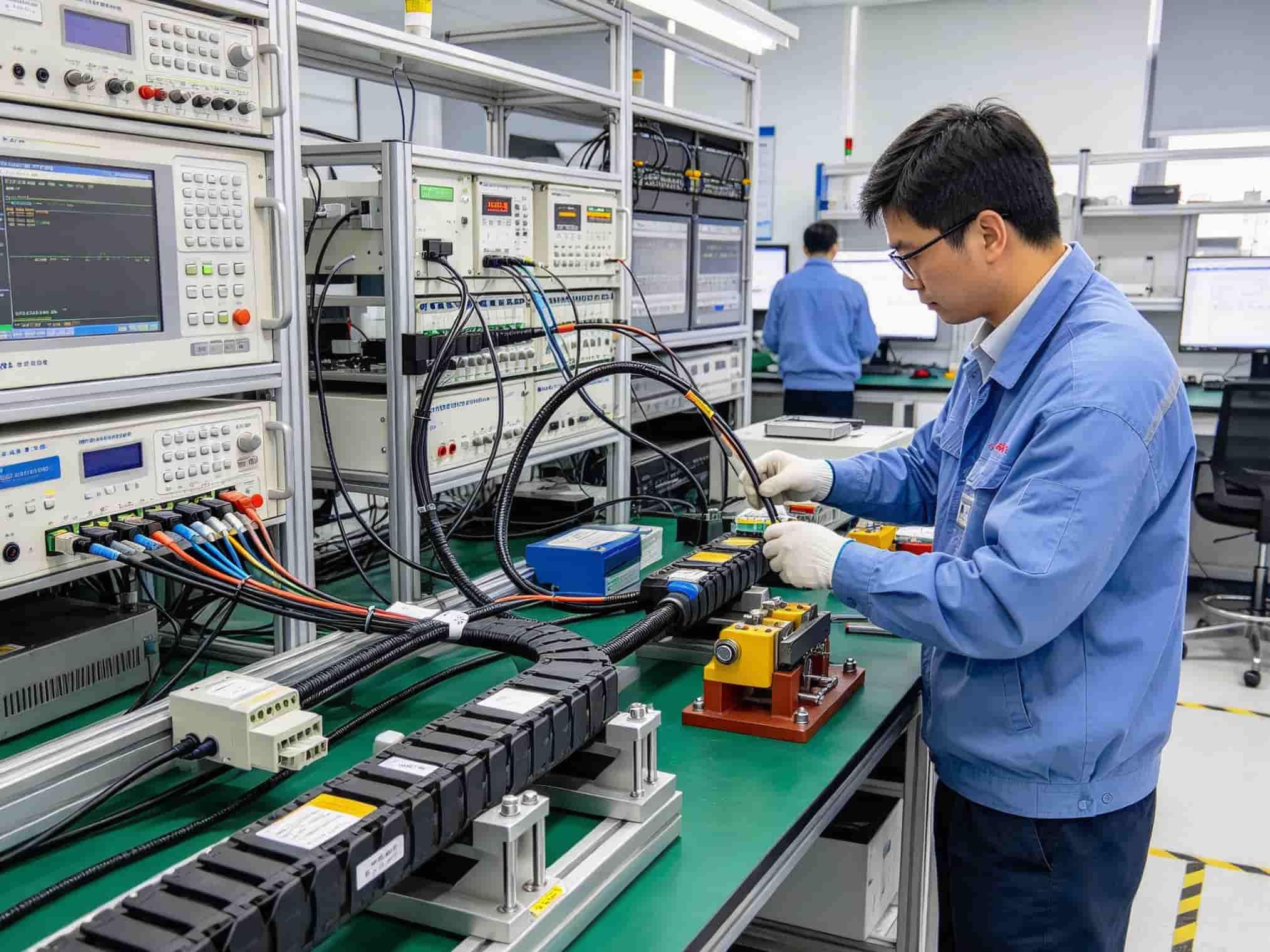
Only after confirming the interfaces, pinout, ratings, route and operating conditions for every model. Record approved variants and revision differences.
Review the cable construction, dynamic bend radius, travel, torsion, strain relief and expected cycles. Matching length and connectors is insufficient.
Send SOAR your drawing, BOM, pinout, installation conditions and quantities to request a custom industrial cable assembly quotation. Ask the quotation to identify proposed components, open technical questions and the inspection scope for sample approval.


