

2026-10-22
The modern vehicle is an intricate web of electronic control units (ECUs), sensors, and actuators. At the center of this complexity lies the car wiring harness, a meticulously engineered assembly responsible for power distribution and signal transmission. For engineers and OEM project managers, understanding the internal architecture of a harness is the first step in ensuring vehicle longevity and safety.
A car wiring harness is far more than a simple bundle of wires. It is a system composed of diverse materials designed to withstand chemical exposure, extreme temperature fluctuations, and relentless mechanical stress. This guide provides a deep dive into the primary components that constitute a high-performance automotive harness.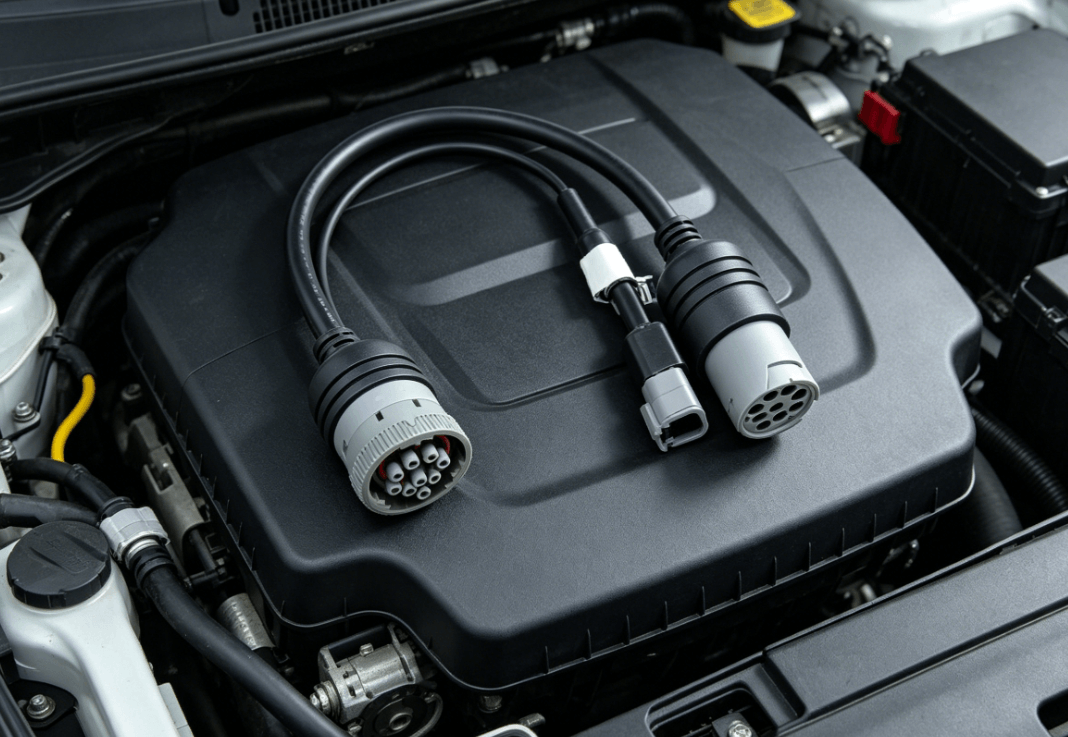
The wire is the most basic yet critical component of any car wiring harness. Its primary function is to act as a low-resistance path for electrical current. However, in an automotive environment, the "path" must be flexible enough to be routed through tight chassis gaps and durable enough to last the vehicle's entire lifecycle.
Historically, annealed copper has been the gold standard for automotive conductors due to its excellent conductivity and fatigue resistance. As the industry moves toward weight reduction, particularly in electric vehicles, aluminum is being integrated into larger power cables. However, copper remains dominant for small-signal wires because it can be drawn into finer strands without losing structural integrity. For high-speed data transmission, such as in automotive diagnostic cables, high-purity oxygen-free copper is often used to minimize signal attenuation.
Insulation is the protective layer that prevents short circuits. In the automotive sector, insulation is categorized by its temperature rating. Standard PVC (Polyvinyl Chloride) is typically used for cabin interiors where temperatures are stable. In contrast, XLPE (Cross-linked Polyethylene) or ETFE (Ethylene Tetrafluoroethylene) is utilized in the engine bay to withstand temperatures exceeding 150°C. These materials must also offer resistance to automotive fluids like oil, coolant, and brake fluid.
Terminals are the metal components crimped or soldered to the end of a wire to facilitate a connection. They are the primary interface between the wiring harness and the vehicle's electrical devices.
Terminals come in various "form factors," including ring, spade, pin, and socket designs. The geometry is dictated by the current load and the specific connector housing. For instance, high-current terminals require a larger surface contact area to prevent localized heating. Precision in the crimping process is vital; a "gas-tight" crimp ensures that no oxygen can reach the contact point, preventing oxidation over time.
Raw copper terminals oxidize quickly when exposed to air. To combat this, terminals are plated with other metals. Tin plating is standard for most general applications. However, for critical safety systems like airbags or engine sensors, gold plating is preferred. Gold does not oxidize, ensuring that low-voltage signals remain clear and consistent. Silver plating is increasingly found in high-voltage EV charging connectors because of its superior thermal conductivity during high-ampere transfers.
The connector housing is the plastic structure that holds the terminals in place. It ensures that the correct pins meet the correct sockets and provides mechanical stability to the connection.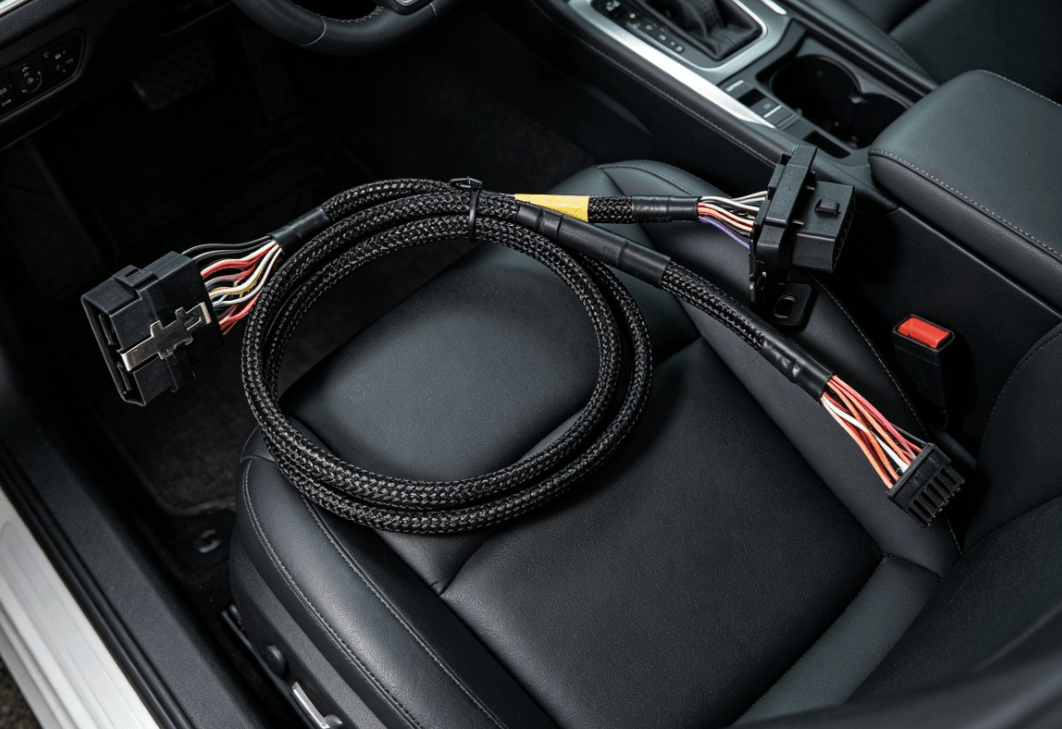
Modern connectors are becoming increasingly dense. A single connector can house over 100 pins in a very small footprint. This requires advanced engineering to prevent "cross-talk" between adjacent signal wires. In specialized applications like automotive wire harnesses, these housings are often color-coded or mechanically keyed to prevent incorrect assembly during vehicle production.
Mechanical Locking and Retention Systems?Automotive connectors must never come loose, even when driving over rough terrain. To ensure this, engineers utilize Terminal Position Assurance (TPA) and Connector Position Assurance (CPA) locks. These are secondary plastic clips that click into place only if the terminals and connectors are perfectly seated. If the clip won't snap, the technician knows the connection is not secure.
The environment inside a vehicle is hostile. Wires must be protected from abrasion against metal edges, heat from the exhaust, and the constant vibration of the road.
| Protection Type | Material | Application Area |
|---|---|---|
| Corrugated Tubing | Polyamide (PA66) | Engine bay and underbody |
| Braided Sleeving | Polyester Monofilament | Tight bends and flexible joints |
| Heat Shrink | Polyolefin | Splice protection and sealing |
| Felt/Textile Tape | Synthetic Fiber | Cabin (for noise reduction) |
In luxury vehicle design, the wiring harness must not contribute to cabin noise. This is managed through the use of adhesive textile tapes or foam sleeves. These soft materials dampen the sound of the harness "tapping" against plastic interior panels, improving the overall NVH performance of the vehicle.
How a harness is secured to the vehicle is just as important as the wires themselves. Improper routing leads to premature failure through friction or heat damage.
When a harness passes through a hole in the metal firewall, it must be protected by a grommet. These are heavy-duty rubber seals that prevent the metal edge from cutting the wires. Furthermore, they act as a "water dam," ensuring that moisture from the engine compartment does not leak into the sensitive electronics of the passenger cabin.
As vehicles integrate more autonomous features, the harness must handle high-frequency data signals alongside high-voltage power.
EMI can corrupt data, leading to sensor errors or infotainment glitches. To prevent this, data-carrying wires are often shielded with an aluminum foil or a copper braid. This shield acts as a Faraday cage, draining away external interference to the vehicle's ground. Twisted-pair cabling is another common technique where two wires are twisted together to cancel out electromagnetic noise.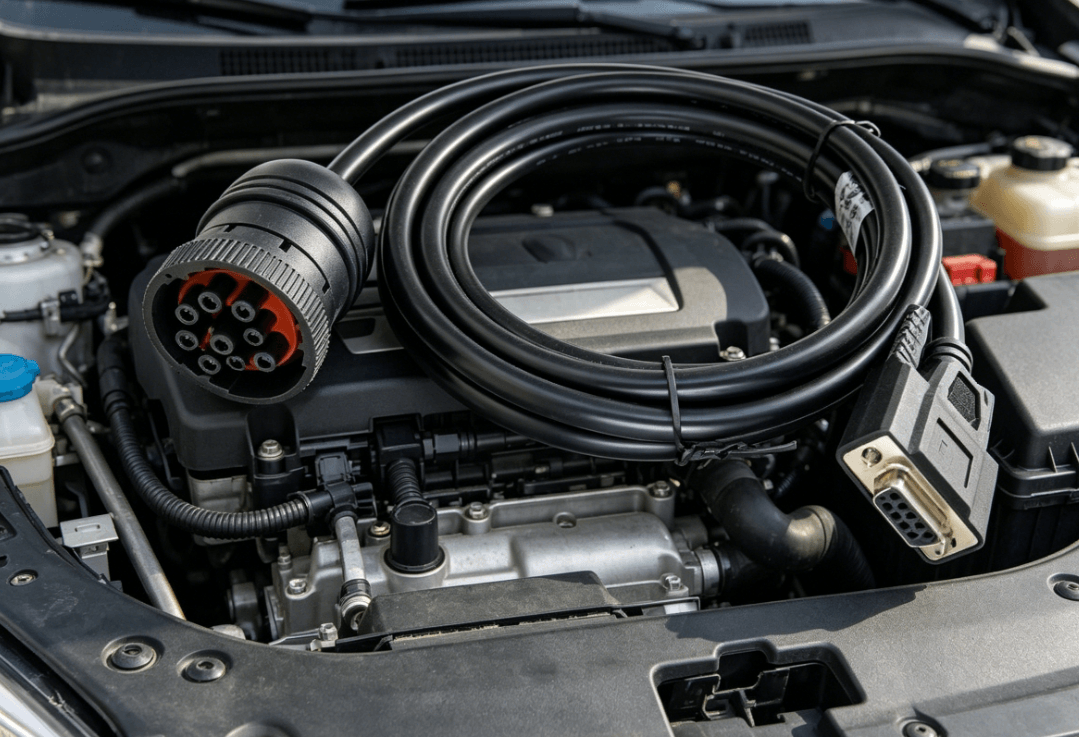
The car wiring harness is a complex system of conductors, terminals, connectors, and protective materials. Each component is selected based on its ability to perform under specific environmental conditions, from the heat of the engine to the moisture of the exterior. By utilizing high-quality materials and rigorous engineering standards, manufacturers ensure that the vehicle's electrical "nervous system" remains reliable for hundreds of thousands of miles. For those sourcing custom solutions, focusing on component-level quality is the most effective way to guarantee long-term performance in automotive applications.
The most frequent failure points are the connector terminals. Corrosion due to moisture ingress or mechanical fatigue from constant vibration can lead to intermittent signals or total circuit failure. Using high-quality plated terminals and sealed connector housings is the best preventative measure.
Excessive heat causes wire insulation to become brittle and crack. Once the insulation fails, wires can touch, leading to short circuits. This is why engine-grade harnesses use materials like XLPE, which are rated for higher temperatures than standard cabin wiring.
Color coding is essential for manufacturing and repair. It allows technicians to identify specific circuits (e.g., ground, power, signal) without having to trace the entire wire. Standardized color schemes vary by manufacturer but generally follow ISO or SAE guidelines.
Connectors used in exposed areas usually carry an IP67 or IP69K rating. IP67 means the connector is dust-tight and can survive immersion in water. IP69K is even more rigorous, indicating the connector can withstand high-pressure, high-temperature water jets.
In electric and hybrid vehicles, any harness carrying high voltage (usually above 60V DC) must have bright orange outer insulation. This is a global safety standard to alert emergency responders and technicians to the presence of potentially lethal voltages.
SAE International J1128 Low Voltage Primary Cable


